
Understand the checks behind RTG casino play
Explore how RNG certification, demo modes, offshore legal risks and casino-specific terms differ when assessing RTG games.

Table of Contents
- How RTG Games Work Across Demo and Real-Money Modes
- What an RTG Casino Directory Can—and Cannot—Tell You
- RTG Software: Company Background and Game Categories
- The Legal Position on Offshore RTG Casinos in Australia
- RTG Casino Games: Slots, Table Games and Specialty Formats
- Demo Play, Free Spins and the Terms That Govern Winnings
- Payments, Withdrawals and Verification: What the Timings Mean
- Licensing and Bonus Terms Are Separate Checks
- New RTG Releases and Progressive Jackpot Mechanics
- What Australian Players Should Know About Offshore Casino Risks
How RTG Games Work Across Demo and Real-Money Modes
An RTG game has two separate parts to understand: the software that produces and displays game outcomes, and the mode in which you play. RealTime Gaming’s games use a certified Random Number Generator (RNG), with independent testing agencies such as Technical Systems Testing auditing the RNG. The games can also support both demo play and real-money play. These features describe how the software operates; they do not establish that any particular online casino is suitable or trustworthy.
An RNG is a system that generates number values used to determine game outcomes. In a digital game, those values are translated into the result shown on screen. The display may show symbols, cards or another game element, but the underlying process is numerical. The animation communicates the result to you; it is not, by itself, evidence of how that result was selected.
Certification and independent auditing concern the RNG system and its operation. They provide a way for testing agencies to assess whether the random-number process meets relevant technical requirements. That is different from a promise about what will happen in an individual session. Random outcomes do not follow a schedule that makes a particular result due, and an audit does not predict or guarantee the next result. It also does not tell you whether an operator is reliable: software testing and operator oversight are separate matters.
What changes between demo and real-money play
Demo mode lets you run a game without wagering real money. It is useful for seeing how the controls work and how the game presents an outcome. A demo session can show the sequence of actions available to you, such as starting a round or selecting from displayed options. Because the session is for practice, its balance is not the same as money you can withdraw.
Real-money mode changes the financial consequence of play. A stake is placed and the result can affect a monetary balance. The game’s central interaction may look familiar from demo play, but the significance of each outcome is different: a displayed result in a demo does not create a cash win or loss, while real-money play connects the result to funds. The distinction is therefore not merely a screen setting. It changes what is at risk.
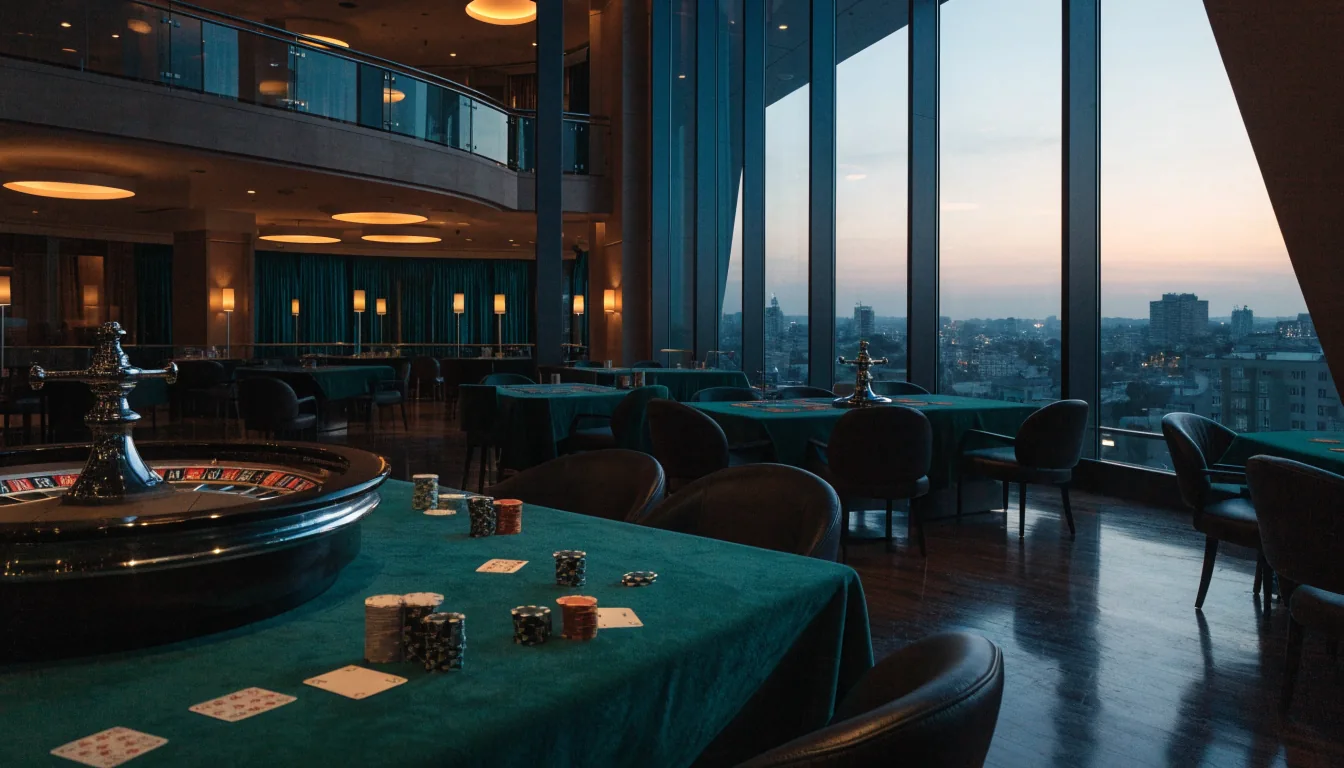

You should not infer from a demo result what a later real-money session will produce. An RNG determines outcomes rather than reproducing a sequence because you saw it before. Nor does a run of results in one mode establish what will occur in another session. A demo can help you understand operation, but it cannot serve as a forecast or a test of future returns.
The same caution applies when a game is described as available on mobile. A smaller screen or touch controls affect how you interact with the interface; they do not, on their own, explain the RNG or make outcomes predictable. The core point remains the distinction between the game’s outcome-generating process and the mode in which that outcome has consequences.
What the audit does—and does not—tell you
It helps to keep three questions separate. First, how are game outcomes generated? RTG identifies its RNG as certified and independently audited. Second, can you explore the game without risking money? RTG games support demo play. Third, does a particular operator provide a dependable service? Neither the RNG audit nor demo availability answers that question. They relate to software and play modes, not every part of the business operating the site.
That separation matters because a familiar game interface can make different sites appear equivalent. Yet the software’s tested mechanism is not a complete assessment of the place where it is offered. A game can use an audited RNG while the operator remains a separate entity with its own responsibilities. Treating those questions as interchangeable gives the audit more meaning than it has.
For Australian readers, describing real-money mode is not a recommendation to use an offshore casino. It is a technical distinction: one mode allows practice without a monetary stake, while the other attaches financial consequences to play. The software’s ability to offer both does not settle whether a service may lawfully be provided in Australia.
When you examine RTG pokies or other RTG games, keep the mechanism and the setting distinct. The RNG concerns how outcomes are generated; demo mode concerns practice; real-money mode concerns financial exposure. Understanding those layers helps you interpret what the software can do without mistaking an audited process for a guarantee, a demonstration for a prediction, or software affiliation for an assessment of an operator.
What an RTG Casino Directory Can—and Cannot—Tell You
A directory of casinos associated with RealTime Gaming (RTG) can help identify which operators are reported to use its software. That is a limited form of information: it describes a relationship between a game provider and an operator. It does not, by itself, establish that an operator is safe, reliable or suitable for you.
Treat each entry as a claim about software affiliation, not as an endorsement. A shared provider does not mean that the casinos on a directory have the same ownership, operating standards, customer service or rules. Operators are licensed independently, and their quality and trustworthiness can vary. The presence of RTG games therefore tells you nothing conclusive about how an individual operator handles accounts, disputes or payments.
What a listing can establish
At most, a directory entry can point to an operator that is associated with RTG software. The detail may be useful when your purpose is simply to understand which provider’s games an operator offers. But an entry should not be read as proof that every game on the site comes from RTG, that the catalogue is complete, or that the operator has been assessed in every other respect.

The label “RTG casino” can also make different kinds of information appear equivalent. A directory may group operators under one software heading, while giving little indication of how each business is run. The grouping is about the provider, not a shared standard of conduct. A long entry, a prominent position or a polished description does not change what the affiliation means.
What it cannot establish
A list cannot turn software association into evidence of trustworthiness. Even if several operators use the same provider, each remains a separate business. Their licences are separate as well; one operator’s status cannot be inferred from another’s, or from the fact that both appear in the same directory.
Nor does a directory label settle whether an operator’s statements are accurate or whether its terms are clear. Those questions concern the operator, not the game software. A directory that focuses on RTG may not provide enough information to answer them. The absence of detail should not be mistaken for a positive finding.
This distinction matters when a page describes itself as a complete or full RTG casino list. “Complete” is meaningful only if the directory explains what it counts as an RTG casino and how it verifies entries. Without a clear scope, the label does not prove that every relevant operator is included or that every listed association has been checked. Directories can also differ in what they include, so their entries should not automatically be treated as a single authoritative register.
Read the category, not the implication
When you encounter an RTG listing, separate the software claim from any broader claims about an operator. Ask what the entry actually says: does it identify software affiliation, or does it make additional claims that need separate support? Do not let a familiar provider name stand in for evidence about the business behind the site.
Do
- Treat directory entries as claims about software affiliation
- Separate software claims from claims about the operator
- Ask what the entry actually says about the business
Don't
- Use a shared software provider as evidence of safety
- Assume all casinos in a directory have the same standards
- Let a familiar provider name replace evidence of trustworthiness
This approach also applies when a directory groups operators by an RTG slot or by an RTG slots list. A game-related label can help describe the software category, but it does not certify the operator. The directory’s useful boundary is narrow: it can indicate an association with RTG. It cannot establish the quality or trustworthiness of the business offering the software.
RTG Software: Company Background and Game Categories
RealTime Gaming, commonly shortened to RTG, is a software development company established in Atlanta in 1998. It began in the United States and later moved its operations to Costa Rica. Its role is to develop gaming software; it is not the same thing as a casino operator. A site that uses RTG software is a separate business, and the software label describes the games’ supplier rather than the company running the site.
That distinction helps make sense of the phrase “RTG casino software.” It refers to the software and game catalogue supplied by RTG, not to one standard casino product or a single operator. The catalogue covers several formats, from online pokies to card and table games and other short-form activities. The categories describe the type of game being offered; they do not, by themselves, say anything about the operator hosting it.

The main categories
Online pokies are part of RTG’s portfolio. In Australian usage, “pokies” is the familiar term for this kind of game. A person looking for an RTG slot game or slot machine is generally asking about this category, though the wording may vary. The useful distinction is not between different search phrases but between the game format and the provider: RTG supplies software for pokies, while an operator may make that software available through its own service.
Video poker combines a poker-style hand with a video-game format. It is distinct from a table game: the software presents the game digitally rather than requiring a physical table and dealer. Naming video poker as a separate category matters because it is not simply another name for a poker table game.
RNG table games are another category in the portfolio. The label identifies table-game formats whose outcomes are generated by software rather than by a live dealer. The category is broad; it does not mean every table game is identical in rules or presentation.
RTG also includes specialty games. The category encompasses scratch cards, keno, craps and bingo. These formats do not all share the same structure: scratch cards centre on revealing symbols or results, while keno and bingo use numbered outcomes, and craps follows dice-game rules. Their grouping under “specialty” is a portfolio classification, not a claim that they play alike.
Online Pokies
Reel-based games, commonly referred to as pokies in Australia.
Video Poker
Digital games combining poker-style hands with a video-game format.
RNG Table Games
Table-game formats where outcomes are generated by software rather than a live dealer.
Specialty Games
A broad category including scratch cards, keno, craps, and bingo.
What a category label tells you
A category gives you a starting point for understanding the range of RTG software. If you are comparing game formats, it tells you whether you are looking at a poker-style game, a table format, a numbers-based activity or a pokie. It does not establish that each category is available through every site using RTG software. An operator’s catalogue can determine which games it makes accessible, so the supplier’s overall range should not be mistaken for a list of titles available at a particular service.
The same distinction applies to terms such as “RTG pokies” and “RTG slot machines.” They point to a broad format within the provider’s catalogue, rather than proving that a particular game is present in a particular place. “Free” or “demo” wording describes a mode of access, not a separate software category; it should not be read as a description of RTG’s company history or the full portfolio.
Taken together, RTG’s categories show that its software extends beyond pokies. The portfolio includes video poker, RNG table games and specialty formats alongside them. Its history identifies the supplier; the category names identify broad kinds of software. Neither detail should be confused with information about the business operating an individual casino.
The Legal Position on Offshore RTG Casinos in Australia
If you’re choosing an RTG casino in Australia for 2026, check the details that matter to you before signing up. This list gives you a concise reference point for considering the available operator information.
-
Neospin
- License
- Curacao Gaming Control Board OGL/2023/176/0095 (Hollycorn N.V.)
Neospin lists a Curaçao Gaming Control Board licence, OGL/2023/176/0095, held by Hollycorn N.V. You can use that information as a starting point when assessing the operator.
-
WinSpirit Casino
- License
- Curacao eGaming OGL/2024/923/0383 (Antillephone N.V.)
- Min. deposit
- A$30
WinSpirit Casino lists a Curaçao eGaming licence, OGL/2024/923/0383, held by Antillephone N.V., and a minimum deposit of A$30. Check whether those terms suit you before depositing.
-
GoldenCrown
- License
- Curacao Gaming Control Board OGL/2023/176/0095 (Hollycorn N.V.)
GoldenCrown lists a Curaçao Gaming Control Board licence, OGL/2023/176/0095, held by Hollycorn N.V. That licence information gives you a concrete detail to consider when reviewing the casino.
-
Ricky Casino
- Payout speed
- crypto under 1 hour, PayID 1-3 business days
- Min. deposit
- A$20 (A$30 to qualify for the bonus)
Ricky Casino lists crypto payouts in under an hour and PayID payouts in 1–3 business days. The minimum deposit is A$20, or A$30 to qualify for the bonus.
-
Golden Pokies
- License
- Curacao
Golden Pokies lists a Curaçao licence. This is the available licensing detail for you to consider when reviewing the operator.
-
SkyCrown
- License
- Tobique Gaming Commission
- Payout speed
- crypto ~10-15 minutes, fiat 1-5 days
- Min. deposit
- A$30
SkyCrown lists a Tobique Gaming Commission licence and a minimum deposit of A$30. Its stated payout times are around 10–15 minutes for crypto and 1–5 days for fiat.
-
Kingmaker
- Payout speed
- crypto ~90 minutes, fiat 1-5 days
- Min. deposit
- A$30
Kingmaker lists a minimum deposit of A$30. Its stated payout times are around 90 minutes for crypto and 1–5 days for fiat.
-
SpinsUp
- License
- Curacao Gaming Control Board OGL/2023/174/0082 (Dama N.V.)
SpinsUp lists a Curaçao Gaming Control Board licence, OGL/2023/174/0082, held by Dama N.V. You can consider this licensing information as part of your review.
-
JeetCity Casino
- License
- Curacao eGaming (Dama N.V.)
JeetCity Casino lists a Curaçao eGaming licence held by Dama N.V. This is the available licensing detail to take into account when assessing the operator.
-
Wild Tokyo
- License
- Curacao
- Payout speed
- crypto 30-60 minutes, fiat 1-5 days
- Min. deposit
- A$10
Wild Tokyo lists a Curaçao licence and a minimum deposit of A$10. Its stated payout times are 30–60 minutes for crypto and 1–5 days for fiat.
The legal distinction is between the service provider and the person trying to access the service. Under the Interactive Gambling Act 2001 and its amendments, an online casino operator cannot legally offer real-money casino games to people located in Australia. The rule applies even when the operator is based overseas or uses software supplied by a company such as RealTime Gaming. The software provider does not change the operator’s obligations under Australian law.
That means an offshore site describing itself as an RTG casino is not made lawful for Australian customers by its software, branding or foreign licence. The relevant issue is that it offers online casino gambling to people in Australia. A licence issued overseas does not replace permission under Australian law, and the existence of a site accessible from an Australian connection does not show that its service is legally authorised here.
What the law means for players
Australian players are not explicitly criminalised simply for accessing an offshore casino site. That is different from the position of an operator providing the prohibited service. It is still important not to interpret the distinction as approval or as a guarantee that access will remain available. The legal restriction is directed at the provision of the gambling service; it does not turn the service into a locally regulated option for a player.

The Australian Communications and Media Authority (ACMA) enforces restrictions on illegal gambling services, including by blocking access to sites and maintaining a blacklist. Because blocking and blacklist activity can change which sites are reachable, availability at one point does not establish ongoing access or lawful status. A site appearing in a search or opening in a browser is not evidence that Australian authorities have approved it.
The law also does not make every dispute with an offshore operator an Australian consumer dispute. If a site refuses a payment or handles an account disagreement in a way you contest, the fact that you are in Australia does not create a local Australian gambling regulator with authority over that foreign operator. Australian consumer-law protections are minimal or absent for these offshore casino transactions.
Limits on resolving a dispute
The practical route described for an offshore casino dispute is to complain to the regulator in the jurisdiction where the operator is licensed. That route depends on the operator’s stated licence and the relevant foreign regulator’s complaint process. It is not equivalent to having an Australian regulator oversee the operator, and it does not guarantee that a complaint will resolve the disagreement or recover funds.
This creates a gap between the operator’s obligations in Australia and the remedies available to a player dealing with an offshore business. Australian law prohibits the operator from offering the service to people here, but that prohibition does not by itself provide a simple local process for enforcing a player’s claim against an overseas company. Before treating a site’s licence or complaint process as meaningful protection, you would need to understand which foreign authority is named and whether it accepts complaints about that operator.
For Australian readers, the key point is not whether an offshore RTG casino can be reached or whether it advertises a licence. The service remains prohibited for operators offering it to people in Australia, while players are not explicitly criminalised for access. If a dispute arises, local legal protection is limited and recourse generally points to the foreign regulator.
RTG Casino Games: Slots, Table Games and Specialty Formats
RTG’s game portfolio covers several distinct formats: online pokies, video poker, random-number-generator (RNG) table games, and specialty games. These categories describe the type of game presented, not a ranking of titles or a measure of how suitable a game is for any particular player. The same software portfolio can therefore include formats with very different rules and play patterns.
Online pokies
Online pokies are the largest, most recognisable category in the portfolio. A game in this format presents a set of reels and symbols, with outcomes determined by the game’s rules. Individual titles can differ in layout and features, so the category name alone does not tell you how a particular game works. “RTG pokies” refers to games made with RTG software; it does not identify a single game or a uniform set of rules.
The term “slots” is also used for this format, but “pokies” is the familiar Australian term. In either case, the label indicates a reel-based game rather than a table game or a card game. It does not, by itself, describe a title’s payout structure, volatility or other specific characteristics.

Video poker and table games
Video poker combines a poker-style hand with a digital game interface. It belongs to a different category from a live poker table: the format is presented as an individual game, rather than a multiplayer card table. The category label does not establish which poker variant or rules a specific title uses.
RTG’s table games include RNG-based formats. RNG means that the game outcome is generated digitally, rather than being dealt or spun by a live person. The category includes familiar table-game types, while each title’s rules determine how a round proceeds and what counts as a winning result. “Table game” is therefore a broad label, not a guarantee that different games share the same procedures.
Specialty formats
RTG’s specialty games include scratch cards, keno, craps and bingo. These formats do not all use the same structure. Scratch cards present a concealed-result format; keno and bingo use numbered outcomes; craps is based on dice. Their presence alongside pokies and table games shows that the portfolio extends beyond reel-based play.
The word “specialty” is a grouping, not a rule set. It gathers formats that do not fit neatly into the main categories, but each still has its own instructions and outcome logic. A category name can help you identify the broad type of game; it cannot substitute for the rules displayed for an individual title.
Taken together, these formats explain the range meant by RTG casino games: reel-based pokies, poker presented as a digital game, RNG table formats and specialty games. The categories are useful for describing the software’s scope, but they do not establish that one format—or any particular game—is better than another.
Demo Play, Free Spins and the Terms That Govern Winnings
A demo session and a free-spin promotion can both involve play without a new cash stake, but they are not the same arrangement. RTG games can be offered in demo mode, where play is for practice and the result does not create withdrawable money. Promotional free spins, by contrast, are issued under an offer’s terms. If they produce a win, the way that win is recorded and whether it can be withdrawn depend on those conditions.
This distinction matters when comparing claims about free play or payout potential. A demo result does not establish what a promotional spin will pay, and neither kind of play proves that a game pays more often than another. Labels such as “best paying” or “loosest” do not explain the rules attached to a particular promotion. Even an RTP figure, where available, does not tell you whether promotional winnings are withdrawable.

Specialist casino reviews describe free-spin winnings as potentially being credited to a bonus balance rather than directly to a cash balance. The offer’s terms may then impose wagering requirements: a condition that requires eligible play before the bonus-derived amount can be withdrawn. The rules may also set a maximum withdrawal from those winnings. These are separate restrictions. Meeting a wagering requirement does not necessarily remove a withdrawal cap.
Before treating a free-spin win as cash, the relevant questions are therefore about the balance and the terms: is the win recorded as bonus funds, what wagering applies, which games count toward it, and is there a cash-out ceiling? The answer can change the value of the promotion. If a game contributes less toward the requirement, progress may be slower than the headline amount suggests; if a cap applies, completing the requirement may still leave only part of the balance eligible for withdrawal. Do not assume a demo balance or a displayed bonus balance is cash available to you.

No-deposit bonuses are another type of offer, not simply demo play under a different name. Specialist casino reviews describe their winnings as subject to the operator’s terms, including wagering conditions, with cash-out possible when the stated requirements are met. The word “free” does not remove those conditions. Check whether the rules cover the bonus itself, winnings generated from it, or both, and note any expiry or game restrictions if the offer lists them.
These distinctions describe promotional mechanics; they are not an invitation to use an online casino. Australian law prohibits operators from providing real-money online casino games to people in Australia. For any offer encountered, its wording—not the label “free spins” or “no deposit”—determines how a win is treated.
Payments, Withdrawals and Verification: What the Timings Mean
A payment method’s name does not tell you when funds will arrive. A withdrawal can pass through separate stages: the operator reviews the request, releases it, and the payment network or bank completes the transfer. The withdrawal policy should state which stages its quoted time covers and whether a pending period applies.
A specialist review of Australian-facing sites identifies Bitcoin (BTC) and Tether (USDT) as commonly accepted payment methods in its coverage. Treat that as a snapshot, not a guarantee that a particular service accepts either currency. The same type of review reports that casino processing of crypto withdrawals can take up to 24 hours. This refers to the operator’s processing, not necessarily the time for funds to become available in a wallet.
Typical Withdrawal Timings
- Crypto (BTC/USDT): Operator processing can take up to 24 hours.
- Bank Transfers: Processing windows can range from 5–10 business days.
- Pending Periods: A 24–48 hour hold is common before requests are sent to payment providers.
Bank transfers involve a different route. A specialist review gives a possible processing window of 5–10 business days. Bank and public holidays, cut-off times and intermediary processing can affect when a transfer arrives. Check whether the stated window starts when you submit a request or after the operator approves it.
Pending periods and identity checks
A specialist review describes a 24–48 hour pending period as a common withdrawal-policy feature. During this time, a request may remain unprocessed before it is sent to the payment provider. The review treats a longer pending period as a warning sign, but the policy’s exact wording matters: distinguish a stated review period from an unexplained delay.
An initial withdrawal may also trigger enhanced identity checks. A specialist review reports that operator approval can range from minutes to 48 hours, depending on the review. You may be asked to confirm identity or payment-account ownership before a request is approved. Read the verification requirements before relying on a displayed processing estimate; an incomplete check can hold up the request.
Before making any financial decision, read the full withdrawal policy. Confirm accepted methods, processing stages, pending rules, verification documents and any stated limits. Compare the time promised for operator approval with the separate time needed for the payment method to settle. A single “fast payout” label does not explain either stage.
Australian players have minimal or no protection under Australian consumer law for transactions with offshore casinos. A dispute may leave you needing to complain to a foreign regulator, rather than using a local consumer process.

Licensing and Bonus Terms Are Separate Checks
RTG software identifies the game supplier, not the operator’s legal status or reliability. A casino using RTG games obtains its licence separately, and operators using the same software can therefore differ in their oversight and practices. RTG casinos are often associated with a Curaçao licence, but that does not mean RTG issued the licence or guarantees how an operator handles accounts, balances or disputes.
For Australian readers, a foreign licence must not be confused with permission to provide online casino games in Australia. The Interactive Gambling Act 2001 prohibits operators from offering real-money online casino games to people in Australia. A foreign licence does not change that position or provide Australian consumer-law protection for an offshore transaction. Licensing information describes the operator’s claimed regulatory framework; it does not turn an offshore casino into a locally authorised service.
Bonus terms are another independent set of conditions. A wagering requirement defines how qualifying bonus funds or related winnings must be played through before withdrawal. The contribution rate determines how much a bet on a particular game counts toward that requirement. Slots commonly count at 100%, while blackjack and roulette can count at only 10% or not count at all. If a game contributes less, the same amount wagered makes less progress; if it contributes nothing, play on that game does not advance the requirement.
A sticky bonus changes the balance in a different way. It is credit intended for play rather than cash withdrawal, and the casino deducts it when you request a withdrawal. As a result, the displayed balance can include funds that do not form part of the amount payable. The distinction between cash and bonus credit matters even after wagering conditions have been met.
These checks answer different questions: the licence concerns the operator’s regulatory framework, while bonus terms determine how promotional balances behave. Neither establishes the other. Software affiliation cannot verify a licence, and a licence cannot tell you how a bonus affects a withdrawal. In Australia, these distinctions are informational, not a recommendation to use offshore casino services.
New RTG Releases and Progressive Jackpot Mechanics
A progressive jackpot changes how a game’s potential payout is funded. In a standard prize structure, the game’s payout returns are defined without a shared jackpot that grows as play continues. In a progressive format, part of each bet is allocated to the jackpot pool. The prize can therefore grow over time, while the portion of the game’s return available for other outcomes is affected.
This creates a trade-off rather than a simple increase in value. A larger advertised jackpot does not mean that every part of the game pays more often or returns more to players. A specialist review reports that progressive RTG titles typically have a lower RTP than comparable non-progressive titles, because some of the wager contributes to the jackpot. RTP describes the game’s theoretical return over extended play; it does not predict the result of an individual session or guarantee a particular payout.
For a player comparing a progressive game with a non-progressive one, the key distinction is the distribution of potential returns. The progressive format assigns part of the payout structure to a jackpot, while the non-progressive counterpart does not use that same funding mechanism. The headline prize alone therefore cannot describe the whole game: RTP and the way the prize pool is funded matter too.
RTG’s catalogue includes pokies with progressive jackpots. The presence of this feature does not make every title progressive, nor does the word “new” tell you how a particular game allocates its returns. A newly released title could have a progressive structure or a fixed one; the release date by itself does not establish either feature.

When reading a game description, look for whether the jackpot is progressive and whether the stated RTP applies to the progressive version. If those details are not clear, the jackpot figure alone is insufficient to compare payout structures. No specific new release should be assumed to have a particular jackpot mechanic without information for that title.
What Australian Players Should Know About Offshore Casino Risks
Tax treatment and consumer protection are separate issues. Gambling winnings are generally not taxed in Australia when they come from recreational play. That does not make an offshore casino transaction equivalent to one covered by Australian consumer protections, nor does it guarantee that a disputed balance will be recoverable.
If a payment, account closure or withdrawal becomes contested, you have minimal or no protection under Australian consumer law for the offshore transaction. The operator is based outside Australia, so local routes for resolving a dispute may not apply. Recourse typically means lodging a complaint with the regulator in the jurisdiction where the casino is licensed. That process is not the same as obtaining an Australian consumer-law remedy, and it does not ensure a particular outcome.

Before deciding whether to engage with an offshore RTG casino, consider what you could do if the operator rejected a claim or did not release funds. Keep copies of the operator’s terms, transaction records and relevant correspondence so that the details of a dispute are documented. These records may help when making a complaint, but they cannot create local legal protection where none applies.
The fact that recreational winnings are generally not taxed should therefore be read narrowly: it concerns tax treatment, not the safety of the transaction or the availability of help if something goes wrong. For Australian players, the central practical risk is the gap between an offshore operator’s own complaint process and the protections available under Australian consumer law. A familiar game provider or an Australian-facing website does not remove that gap.
Published by the Kingmaker Casino team.